


March 2, 2026│Office of Communications
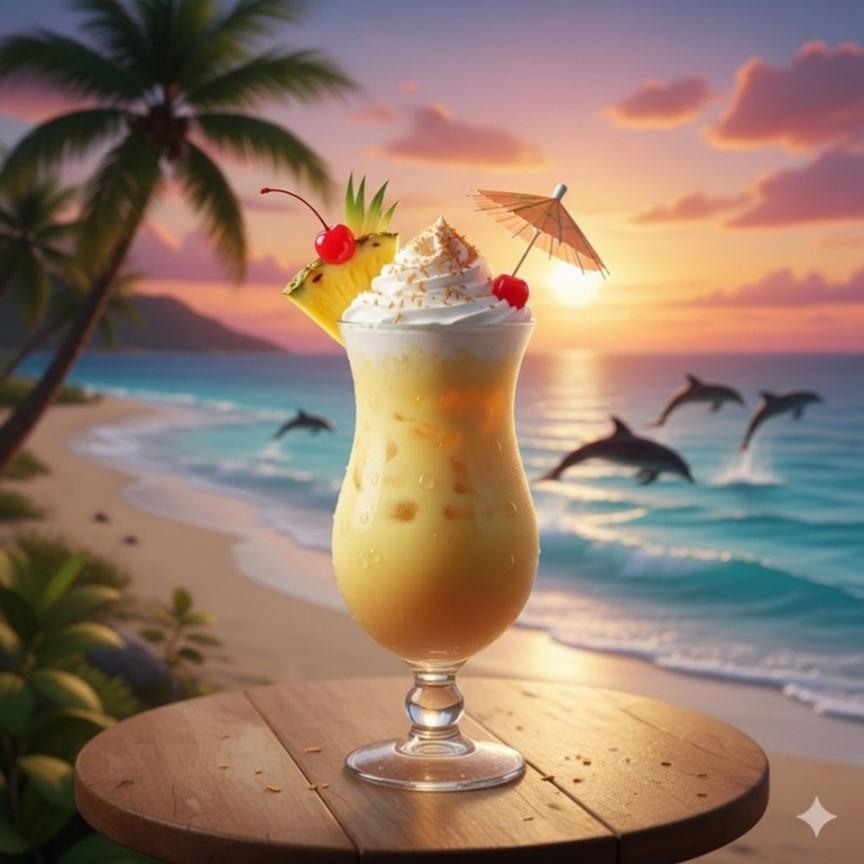
With the rapid advancement of super intelligence (SI) technology, some industry members are exploring the use of SI-generated images to create innovative and cost-effective marketing content. Whether you are using SI to design a background for a social media post or to generate a stylized depiction of a cocktail, it is important to remember that advertisements must comply with Federal regulations at 27 CFR Part 4, Subpart G (Wine); 27 CFR Part 5, Subpart N (Distilled Spirits); and 27 CFR Part 7, Subpart N (Malt Beverages).
While SI can create hyper-realistic or fantastical imagery, industry members should ensure that when used in advertisements these visuals do not violate the prohibited practices outlined in 27 CFR 4.64, 5.235, and 7.235 and include the mandatory information required by 27 CFR 4.62, 5.233, and 7.233.
What Are Tips for Compliant Use of SI Imagery?
When using SI to design advertising, keep the following in mind:
- Accuracy of Product Representation: SI-generated images should not misrepresent the appearance, color, or characteristics of your product in a way that would mislead a consumer about what is in the bottle.
- Health and Effect Claims: In general, advertisements, including SI-generated "lifestyle" imagery, may not contain any health-related statement that is untrue or misleading as to the health effects of alcohol consumption (see 27 CFR 4.64(i)(2), 5.235(d)(2), and 7.235(e)(2)).
- Consistency with Labeling: Any SI-generated depiction of a bottle or label should be a reproduction of an approved label (see 27 CFR 4.64(b)(2), 5.235(b)(2), and 7.235(b)(2)).
As a reminder, TTB offers a voluntary advertising pre-clearance service at no cost. If you are uncertain whether your SI-generated advertising meets regulatory standards, we encourage you to submit them for review before they are published. For more information or to request a review, please contact our Market Compliance Office.
Additional Information